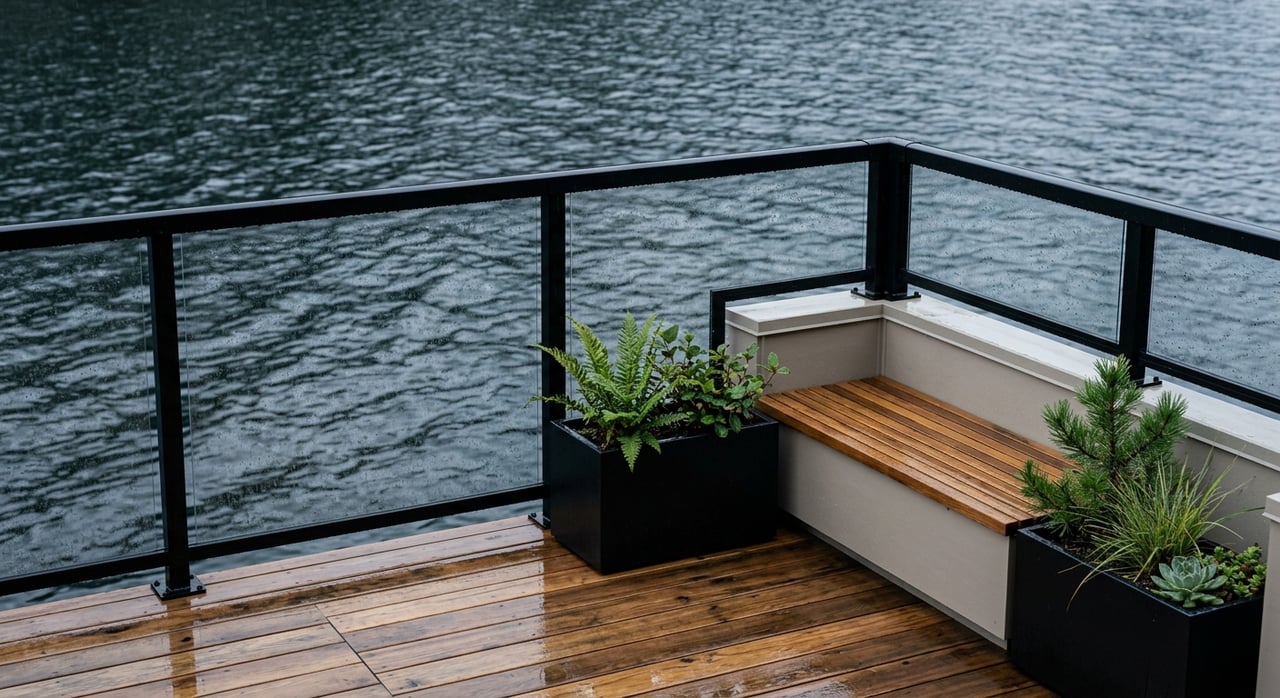
Dreaming of Puget Sound views, marina walks, and easy beach access? Waterfront living in Des Moines can absolutely deliver that lifestyle, but it also comes with tradeoffs you should understand before you buy. If you are comparing condos near the Marina District, bluff homes with sweeping views, or properties close to Redondo and Beach Park, knowing how this shoreline market works can help you make a smarter decision. Let’s dive in.
Why Des Moines Feels Like a Waterfront City
Des Moines is not just near the water. The city describes itself as a waterfront community, with beaches, public parks, a marina next to the shopping district, fishing piers, and a boardwalk shaping daily life and the local identity.
That matters when you are home shopping. In Des Moines, the waterfront experience is not limited to a few private homes. Much of the appeal comes from shared public access, walkable shoreline areas, and recreation that is built into the city itself.
Waterfront Anchors Buyers Should Know
Des Moines Marina
The Des Moines Marina is one of the city’s biggest shoreline anchors. It is a full-service marina on Puget Sound with wet and dry moorage for 840 recreational vessels, plus guest moorage and fuel service.
For many buyers, this helps define the area’s lifestyle. Even if you do not own a boat, living near the marina can mean easy access to waterfront walks, restaurants, and the energy of a shoreline district that stays active through the year.
Beach Park and Trail Access
Des Moines Beach Park is another major part of the waterfront experience. The city identifies it as the trailhead for the Des Moines Creek Trail, a wooded two-mile segment of the Sound to Lake Trail system.
If you want a home where outdoor time fits easily into your routine, this is worth paying attention to. Beach Park and its connections to the shoreline help make this part of Des Moines feel active beyond just the summer season.
Saltwater State Park
Just south of the marina area, Saltwater State Park adds another layer to shoreline living. The 137-acre park offers beach access, tide pools, kayaking, paddleboarding, swimming, and an artificial underwater reef.
It also provides an important reality check for buyers. Washington State Parks has noted flooding and erosion impacts in parts of the campground area, which is helpful context if you are considering property near the shoreline and want to understand long-term exposure.
Redondo Waterfront
Redondo has its own strong identity within the Des Moines waterfront story. City and marina materials describe Redondo Beach Park and the surrounding area as offering beach access, a fishing pier, restrooms, benches, off-street parking, public art, a boardwalk, restaurants, and a boat launch.
For buyers, Redondo often feels a little more recreational and beach-adjacent. If your ideal lifestyle includes casual shoreline access and a relaxed waterfront setting, this area may be especially appealing.
What Waterfront Housing Looks Like
It Is More Varied Than Many Buyers Expect
One of the most important things to know is that waterfront living in Des Moines is not one-dimensional. You will find a mix of condos, multi-family housing, bluff properties, view homes, and a smaller number of true waterfront single-family homes.
That variety is a big reason Des Moines can appeal to different types of buyers. Some people want walkability near the marina, while others care more about views, privacy, or a lower-maintenance property type.
Marina District Homes
The Marina District includes shoreline-adjacent housing as part of a broader mixed-use, pedestrian-oriented area. City design guidelines cover Downtown, the Marina, and Beach Park areas and aim to improve pedestrian spaces and connections to the waterfront.
The Marina Master Plan also references condominium development near 6th Avenue South and South 225th Street. That tells you condo living is an established part of the local waterfront mix, not an afterthought.
Bluff and View Properties
Some of Des Moines’ most compelling near-water homes are not directly on the beach. The marina describes Woodmont as an area with waterfront homes, community beaches, large view homes on the bluff, and ramblers.
This is an important mindset shift for buyers. In Des Moines, some of the best water and mountain views may come from higher ground or bluff-side streets rather than from homes sitting right at the shoreline edge.
Redondo and Other Near-Water Options
Local descriptions also point to Redondo as a more beach-oriented waterfront area, while Zenith includes water-facing housing and age-restricted housing options. Together, these areas show that Des Moines offers several ways to live near the water, depending on your budget, lifestyle, and maintenance preferences.
If you are deciding between a condo and a single-family home, this is where local guidance really helps. The right fit often comes down to whether you value views, walkability, access to recreation, or the day-to-day simplicity of the property itself.
What Buyers Need to Check Carefully
Shoreline Rules Can Affect Future Plans
Waterfront ownership usually comes with more due diligence than an inland purchase. The City of Des Moines states that its Shoreline Master Program applies to land within 200 feet of the Puget Sound shoreline.
That means changes you might assume are straightforward, like additions, docks, bulkheads, or some exterior updates, can involve additional local review. If you are buying with future renovation plans in mind, you will want to understand shoreline rules early.
Flood Exposure and Insurance
Flood risk is another issue to review before you write an offer. Standard homeowners insurance usually does not cover flood damage, so flood insurance is a separate coverage question to explore upfront.
This does not mean every near-water home will face the same level of risk. It does mean you should verify the property’s flood exposure and insurance options as part of your due diligence rather than waiting until late in the process.
Bluff Stability and Drainage
If you are drawn to bluff homes or high-bank properties, slope conditions matter. Washington State Ecology notes that landslides are common along steep bluffs in Puget Sound, which makes this especially relevant in shoreline settings.
You should also pay close attention to drainage, retaining walls, shoreline armoring, and any slope stabilization features. These details can affect maintenance, risk, and future improvement plans.
Boat Use and Moorage Expectations
Some buyers imagine pairing a waterfront home search with boat ownership. That can be a great fit in Des Moines, but you should understand the local rules.
The marina offers wet and dry moorage, guest moorage, and a fuel dock. At the same time, the marina’s wait-list information says there are no liveaboard options available, and the city’s shoreline rules prohibit living aboard moored or anchored vessels outside the marina.
The Lifestyle Upside Is Real
Public Access Is a Big Part of the Value
One of the strongest reasons people are drawn to Des Moines is that the waterfront lifestyle is highly usable. The city highlights sunset strolls near the marina, the fishing pier, and the boardwalk, while nearby Saltwater State Park expands your options for beach exploration and water recreation.
For many buyers, this is the sweet spot. You may not need a private stretch of waterfront to enjoy the benefits of living close to Puget Sound when so much shoreline access is public and close at hand.
Walkable Pockets Near the Shore
The Marina District stands out for buyers who want convenience with their views. The marina describes it as an old-fashioned waterfront village with restaurants, a grocery store, shops, offices, medical services, and other businesses.
That combination can be especially attractive if you want a lower-maintenance lifestyle. It supports the kind of daily routine where you can enjoy the shoreline without feeling disconnected from everyday errands and services.
Seasonal Energy Adds to Daily Life
Des Moines also has a seasonal rhythm that many buyers appreciate. The city says the waterfront farmers market runs every Saturday from June through October, adding activity and a community feel during the warmer months.
The city also notes that summers rarely exceed 90 degrees. If you are imagining a Puget Sound lifestyle with comfortable weather, trail access, and waterfront activity, that rhythm is part of what makes Des Moines stand out.
Who Waterfront Living Fits Best
Waterfront living in Des Moines is often a strong fit if you want regular access to Puget Sound, marina culture, and outdoor recreation woven into daily life. It can also be a smart option if you are open to different property types, including condos, bluff homes, and view-oriented houses near the shoreline.
The tradeoff is that shoreline ownership often asks more of you. Insurance questions, drainage, erosion, slope conditions, and permitting can all become part of the buying conversation, so it helps to work with someone who can keep the process organized and practical.
If you are thinking about a condo near the Marina District, a bluff home with big views, or a near-water property in Redondo or Woodmont, a clear plan makes all the difference. Jamila Saidi brings a warm, hands-on approach backed by deep operational experience, so you can evaluate lifestyle, property condition, and long-term ownership considerations with confidence.
FAQs
What makes waterfront living in Des Moines different from other Puget Sound areas?
- Des Moines stands out because the waterfront is woven into the city itself, with the marina, Beach Park, Redondo, trails, fishing piers, and boardwalk all helping shape daily life.
What types of waterfront homes can you buy in Des Moines?
- Buyers can find a mix of condos, multi-family housing, bluff and view homes, and a smaller number of true waterfront single-family properties.
What should buyers check before buying a waterfront home in Des Moines?
- You should review shoreline rules, flood exposure, insurance options, drainage, slope conditions, retaining walls, and any shoreline stabilization features before moving forward.
Can you remodel a waterfront home in Des Moines like any other home?
- Not always, because the City of Des Moines Shoreline Master Program applies within 200 feet of the Puget Sound shoreline and some exterior projects may require added review.
Can you live on a boat in Des Moines instead of buying a home?
- No liveaboard options are currently available at the marina, and the city prohibits living aboard moored or anchored vessels outside the marina.
Is the Marina District in Des Moines a good fit for condo buyers?
- It can be a strong fit if you want a lower-maintenance home near walkable waterfront amenities, since the area includes condo development and strong pedestrian connections to the shoreline.
