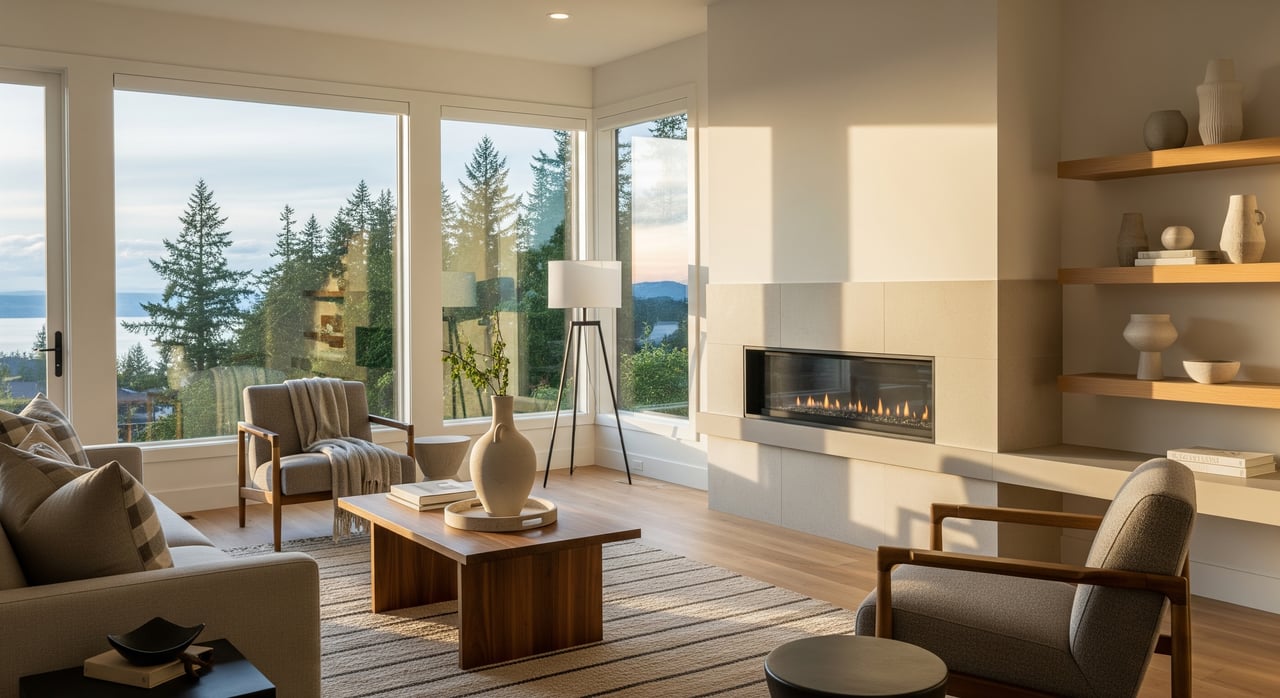
Thinking about listing your Federal Way home and want it to move quickly? You are not alone. Buyers compare dozens of online listings before they ever schedule a tour, so how your home looks in photos and in person has a real impact. In this guide, you will learn a simple, local staging plan you can follow, including a four-week timeline, room-by-room priorities, budget-friendly updates, and how to coordinate cleaning and showings so you earn stronger offers. Let’s dive in.
Why staging speeds up sales in Federal Way
Federal Way attracts a mix of buyers, including first-time purchasers, commuters to Seattle or Tacoma, downsizers, and households seeking single-family homes or townhomes. Many homes here are mid-century ranches or split-levels, along with newer infill condos and townhomes. That variety means your staging should make rooms feel larger, highlight storage, and show a clear, livable flow.
The Pacific Northwest climate also adds a wrinkle. Rain, moss, and muddy entryways are common. Clean, dry-looking curb appeal and warm, layered lighting can make a big difference, especially in overcast months. Exterior photos land best on dry days or with twilight photography.
Industry guidance notes that staging helps buyers visualize how to use a space, improves listing photos, and often translates into faster showings and stronger offers. You can explore the broader research in the NAR guidance on home staging. The practical takeaway is simple: in a market where buyers shop online first, presentation is a lever you control.
A simple 4-week staging timeline
Use this as a checklist and adjust based on your home’s needs and the season.
Week 4: Plan and prep
- Walk the property with your agent or stager to define your target buyer and priorities.
- Get bids for small repairs, paint touchups, carpet cleaning, and landscaping.
- Schedule your cleaner, photographer, and any rental furniture.
Week 3: Deep clean and small repairs
- Fix minor items like loose handles, dated cabinet pulls, mismatched bulbs, or caulking gaps.
- Paint high-impact areas if needed, such as the front door, trim, or bold accent walls.
- Declutter rooms, remove personal photos, and start packing nonessential items.
Week 2: Install staging
- Arrange furniture to show flow and scale. Add simple styling with pillows, art, and plants.
- Deep clean carpets and windows. Make kitchens and baths sparkle.
- Improve curb appeal. Mow and prune, power wash the porch or deck, and add potted plants.
Week 1: Final touches and photo day
- Complete a final deep clean. Match lightbulb color temperatures throughout.
- Touch up landscaping and remove cars from the driveway.
- Capture interior, exterior, and select neighborhood shots.
While on market: Keep it show-ready
- Daily quick tidy: make beds, clear counters, open blinds, and turn on lights.
- Keep a cleaner on call for last-minute showings. Remove pet items and manage odors.
Short on time? You can fast-track this into 1 to 2 weeks by focusing on a deep clean, decluttering, targeted furniture edits, and great photos. Larger repairs usually need the full 3 to 4 weeks.
What to stage first
Entry and curb appeal
First impressions happen at the curb. Clean the walkway, porch, and front door. Pressure wash if needed, paint the door if it looks tired, and remove moss and leaf litter. Add a new doormat and two simple, symmetric planters for a welcoming feel.
Living room or main gathering space
This is often the decision room. Arrange seating to show an easy conversation area and natural traffic flow. Use neutral textiles, updated lamps, and remove dated decor. If the room is small, scale down furniture so the space reads open and bright.
Kitchen
Clean and clear counters. Put away small appliances and remove fridge magnets. Swap cabinet hardware if it feels dated. Add one simple accent like a bowl of citrus or a small plant to draw the eye without cluttering the space.
Primary bedroom
Create a calm retreat. Use matching lamps and neutral bedding, clear bedside surfaces, and remove personal items. Ensure there is a clear path around the bed to show easy flow.
Bathrooms
Make everything shine. Clean grout and caulk, remove all personal products from view, add matching towels, and update a mirror or light fixture if needed. Aim for bright, fresh, and hotel-clean.
Dining area or nook
Stage for scale. A pared-back table setting helps buyers understand the space. Keep the table surface mostly clear.
Home office or flex space
A small, tidy desk, a comfortable chair, and organized shelving go a long way. Many buyers value a dedicated workspace, so show where it can live.
Secondary bedrooms
Keep decor minimal and purposeful. If a room has a strong theme, neutralize it. Show how a bed, dresser, and desk can fit without crowding the space.
Basement, attic, and storage
Declutter and organize. Add a dehumidifier if needed and remove personal or unsafe items. Buyers pay attention to storage capacity.
Tailor staging to local buyers
For households and caregivers
- Show organized entry storage, shoe trays, and a mudroom zone.
- Highlight functional outdoor space and low-maintenance landscaping.
- Emphasize storage solutions and clear room purposes.
For commuters
- Keep the entry efficient with hooks and a console for drop zones.
- Present low-maintenance yard care and clean, dry walkways.
- Mention proximity to transit in your description and marketing.
For downsizers
Emphasize easy-care finishes and multiuse rooms.
Show accessible storage and clear circulation in living areas.
High-impact updates on a budget
If you have limited time or funds, focus on these small wins.
- Fresh neutral paint in high-traffic areas like the entry and living room.
- New outlet covers, door hardware, and cabinet pulls.
- Bright, energy-efficient bulbs and extra lamps to remove dark corners.
- Deep-cleaned carpets or an area rug to define a space.
- Clean windows and remove heavy drapes to maximize natural light.
Occupied, vacant, or virtual staging
- DIY staging. Use your own furniture, declutter hard, and add a few fresh accessories. This is the lowest-cost route.
- Partial or professional staging. A stager furnishes key rooms such as the living room, primary bedroom, and kitchen accents. This is common for occupied homes.
- Full staging for vacant homes. Furnish the entire property so buyers can understand scale and flow. This often involves an initial install plus a monthly rental.
- Virtual staging. Digital furniture added to listing photos can be cost-effective for vacant homes. Most MLSs require clear disclosure when photos are altered, so label virtual images and include at least one unaltered room photo.
Costs vary by property size and scope. Consult local stagers for estimates. Many sellers find that investing in key rooms and great photography is the best first step.
Cleaning and showings that convert
Think of cleaning and showings as part of the staging plan, not an afterthought.
- Create a quick “showing kit” with lockbox info, house rules, and a simple checklist.
- Daily routine. Make beds, clear dishes, wipe counters, run a quick vacuum, open blinds, and turn on lights.
- Pet plan. Remove pet beds and bowls, manage litter boxes, and arrange offsite care during showings.
- Odor control. Aim for neutral, not perfumed. Address sources rather than masking.
- Safety and courtesy. Offer hand sanitizer and keep surfaces tidy to reduce touchpoints.
For debris removal or large cleanouts, King County provides recycling and drop-off guidance. You can explore options through King County Solid Waste.
Photography and online presentation
Great listing photos are nonnegotiable. Most buyers begin online, and staged rooms photograph better.
- Hire a real estate photographer who uses HDR or bracketed exposures.
- Schedule exterior photos for dry days and consider twilight shots to make outdoor spaces glow.
- Capture 12 to 25 quality photos, including a hero exterior image and the best interior rooms.
- Add a simple floor plan or short video walkthrough to help buyers understand the layout.
The City of Federal Way posts community resources and seasonal reminders that may help with prep planning. If you are coordinating yard work or curb appeal projects, check the City of Federal Way website for local updates and services.
Condo and townhome tips in Federal Way
If you are listing a condo or townhome, a few extra steps go a long way.
- Confirm HOA rules for signage, lockboxes, and balcony decor before staging.
- Coordinate with building management if you plan to photograph common amenities.
- Emphasize space-saving furniture, clear circulation, and storage solutions inside the home.
- If you plan minor updates, review any needed permits on King County’s permitting site and follow disclosure rules for material improvements.
What Jamila handles for you
When you want a faster, smoother sale, coordination is everything. With nearly two decades in property operations and ownership of staging and cleaning businesses, Jamila brings hands-on support to listing prep. You get a single point of contact to manage what matters most.
- Strategy walk-through to identify your target buyer and staging priorities.
- Staging plan, furniture and accessory sourcing, and styling.
- Professional cleaning coordination, carpet and window services, and curb appeal touchups.
- Vendor management for small repairs and paint touchups.
- Pro photography scheduling, MLS and IDX marketing, and consistent online presentation.
Ready to present your Federal Way home at its best? Let’s create a plan that fits your timeline and budget, then roll it out with care.
If you are considering a sale this season, reach out to schedule a quick prep consult. You will get a practical plan, a clear timeline, and coordinated help from start to finish. Connect with Jamila Saidi to get started.
FAQs
How much should a Federal Way seller budget for staging?
- Start with curb appeal, the living room, kitchen, and primary bedroom. DIY staging plus professional photos can work well on tight budgets. Vacant or higher-end listings often benefit from partial or full professional staging.
Does staging really increase the sale price in King County?
- Many industry sources report that staged homes sell faster and may attract stronger offers, especially when staging solves presentation issues. Exact price impact varies by property and market conditions.
Should I stage if my home is already furnished?
- Yes, focus on editing and styling. Remove extra furniture, neutralize strong decor, and optimize lighting and sightlines so rooms look larger in photos and in person.
When should I complete staging before listing day?
- Aim to finish staging and photos one to two weeks before going live. This ensures your online launch is polished and consistent from day one.
Is virtual staging a good substitute for in-person staging?
- Virtual staging is a useful tool for vacant homes with limited budgets. It must be clearly disclosed when photos are altered. It does not replace the in-person feel buyers experience during showings.
What curb appeal steps matter most in the PNW climate?
- Clear moss and leaf litter, pressure wash walkways and decks, add a fresh doormat, and keep the entry dry and well lit. Simple planters and trimmed shrubs make photos and first impressions stronger.
